This notebook documents a research project titled Moving Image as Choreographic Practice. The project explores filmmaking through an embodied and situated lens which is an approach I have been developing for a while. By setting up an exchange between moving image and choreography, the project considers wider questions of friction, entanglement, porousness, reflection, representation and self-implication.
The research will take the form of experiments in film, shaped by exchanges with choreographers, artists, filmmakers and theorists. While these experiments may feature humans or animals, the focus is not on movement of bodies in front of the camera. The primary interest is not dance or performance films. Thus I'm not as interested in looking at choreography as I am in looking through choreography.
The project is in collaboration with the Choreographic Research Unit at Goldsmiths and P.A.R.T.S. in Brussels and is funded by a grant from Kunsten en Erfgoed, the Flemish agency for the Arts.
initial notes, thoughts, tests below👇🏽 (This site too is in progress, it rehearses self-hosted open-source tools rather than proprietary platforms from space billionaires.)
Ingold and Harvey

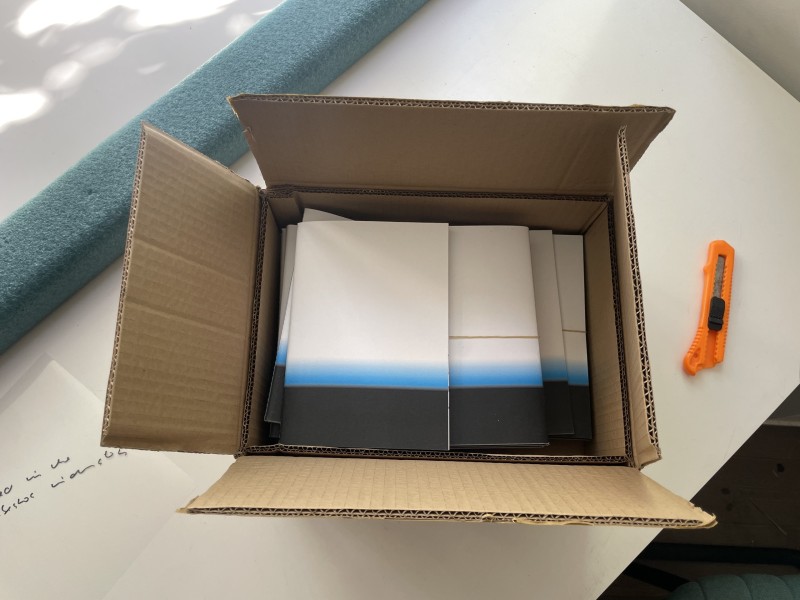
preview and download

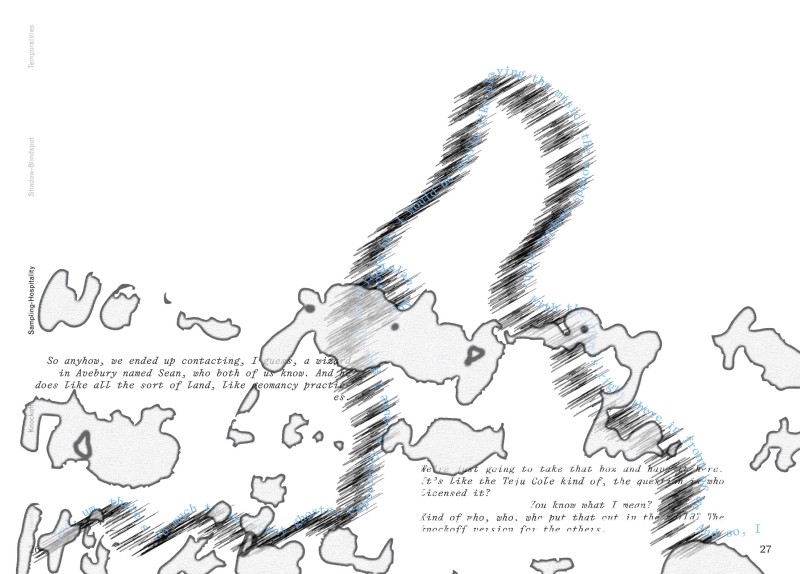
How Do You Handle a Ghost is an ongoing enquiry into forms of exchange between moving image and the choreographic.
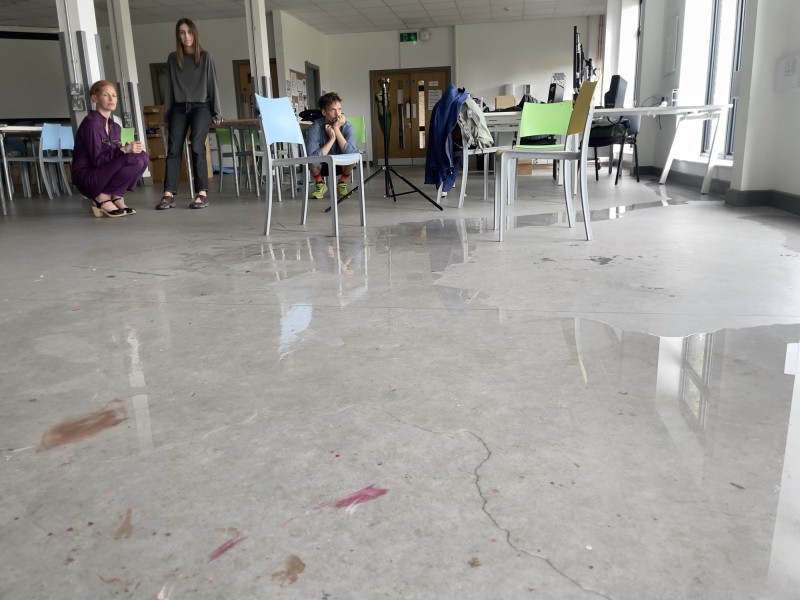
Dear ... ,
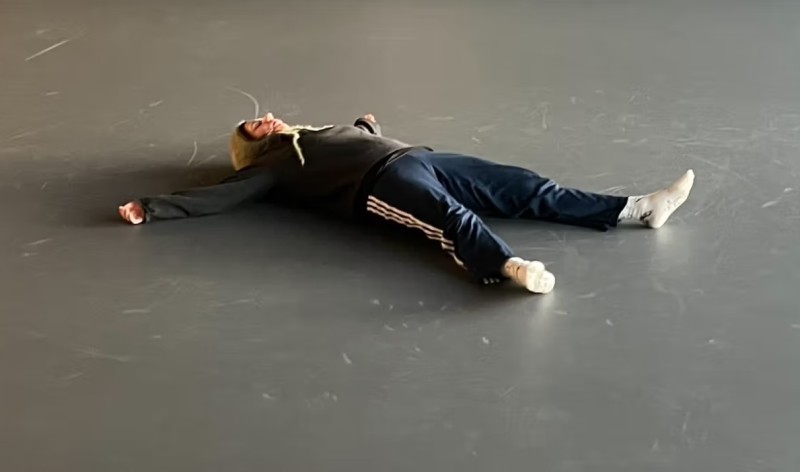
(In) Company classes are curated by Lorea Burge as part of their research within the Rose Choreographic School.
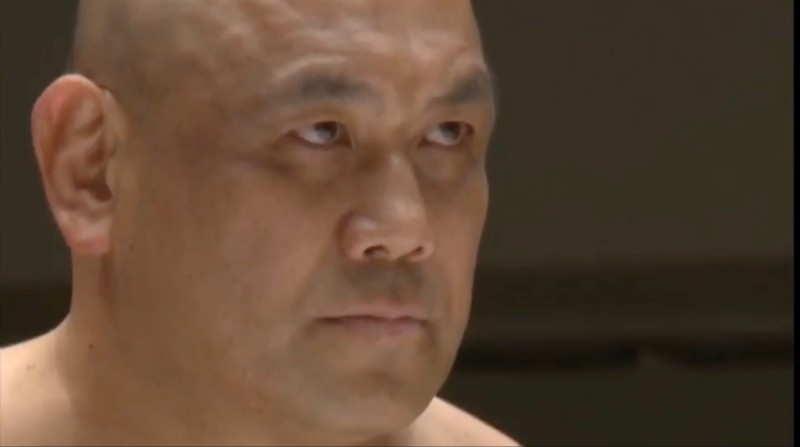
Amidst peak covid, the March 2020 Noah pro-wrestling fight between GHC Heavyweight Champion Go Shiozaki and challenger Kazuyuki Fujita took place without and audience behind the closed doors of an almost empty Korakuen Hall. It was live-streamed. The fight started with this 30 minute stare-down.


Behzad Khosravi Noori and Edgar Schmitz in Rose Choreographic Glossary
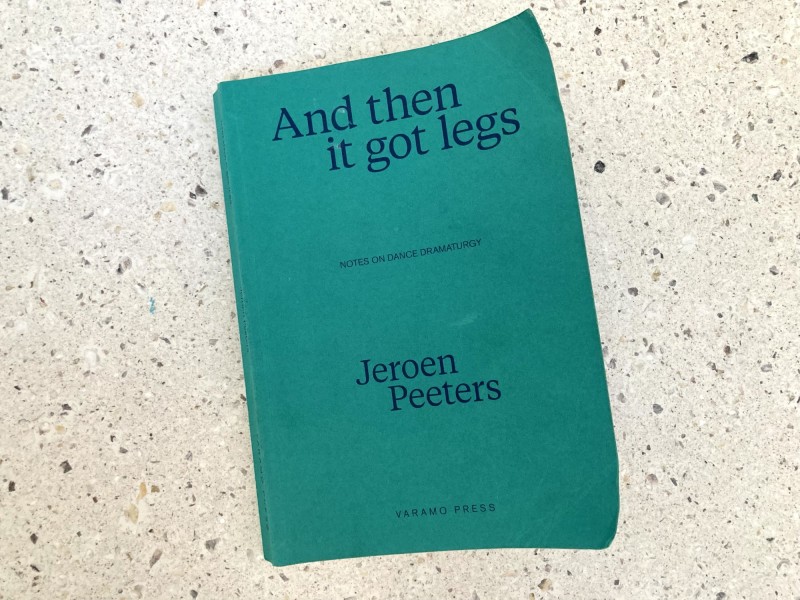
Writer, dramaturg and performer Jeroen Peeters draws from his experience in the field of contemporary dance to discuss principles, methods and practices that contribute to an understanding of dramaturgy as an experimental, collaborative practice and a material form of thinking.
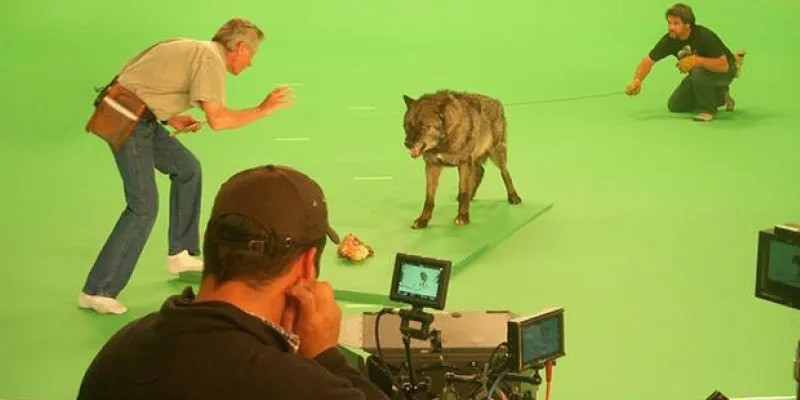
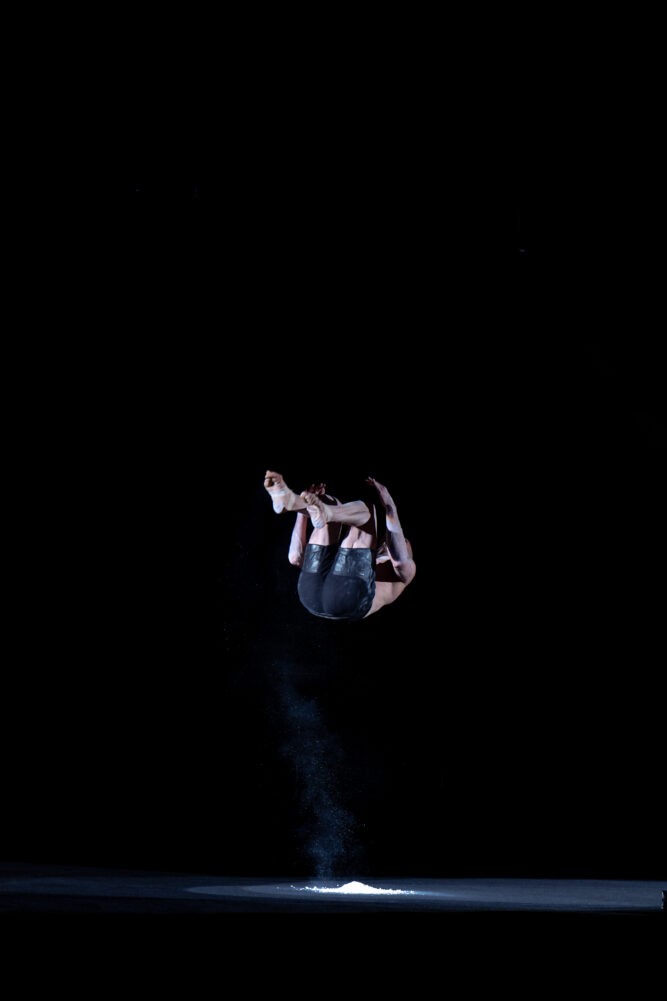
I spent some time in the studio with Lewis Walker when they were developing Bornsick, a new solo piece co-commissioned by Serpentine and Edinburgh Art Festival commission.
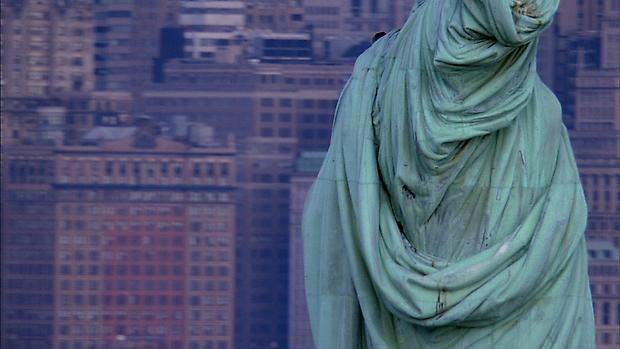
Static, then, is anything but.
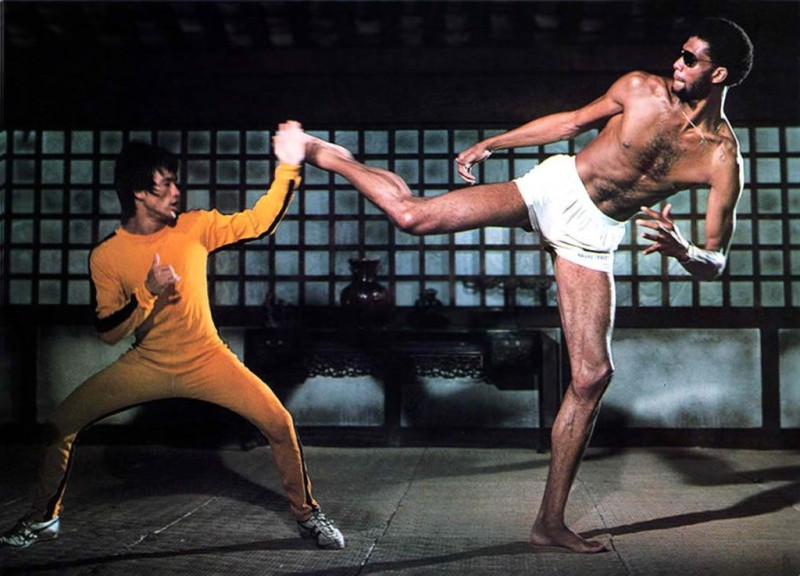
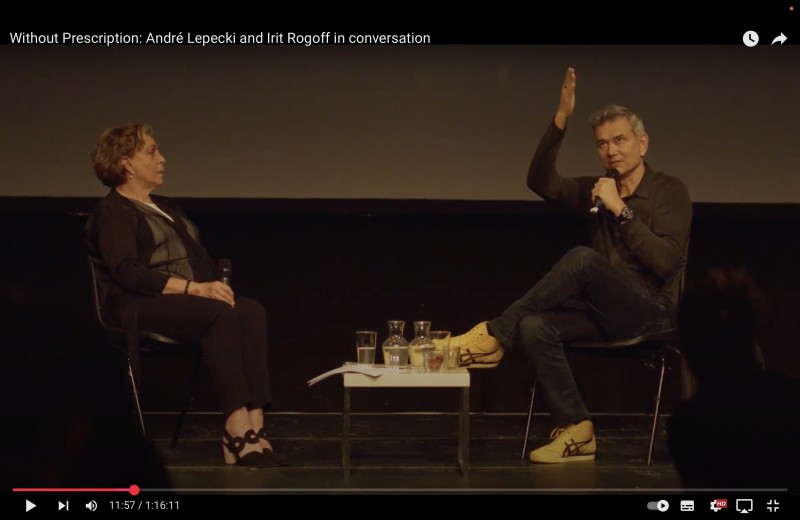
Choreographic Devices is an annual event series that activates the choreographic as a methodology for trans-disciplinary forms of inquiry and rehearsal.
Mark Fisher on the Slow Cancellation of the Future (2014)
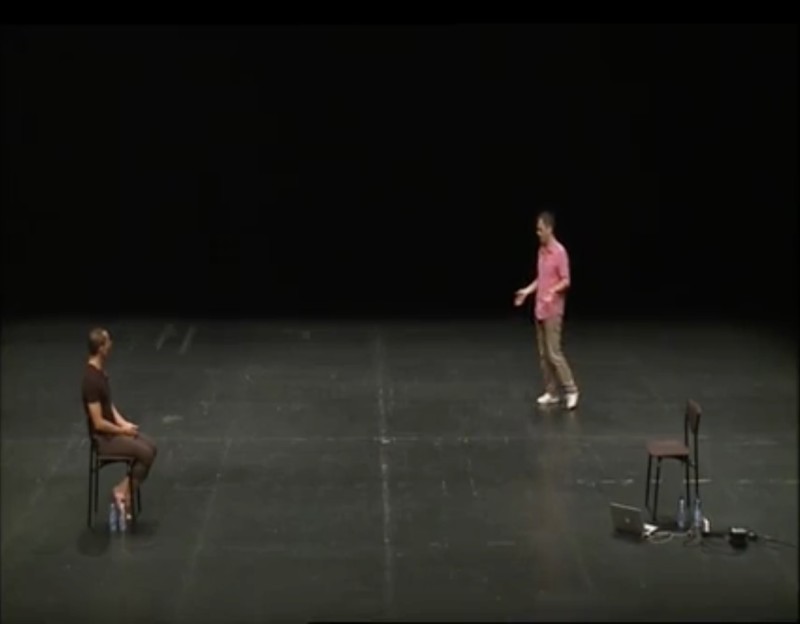
you don't buy anything, you bet
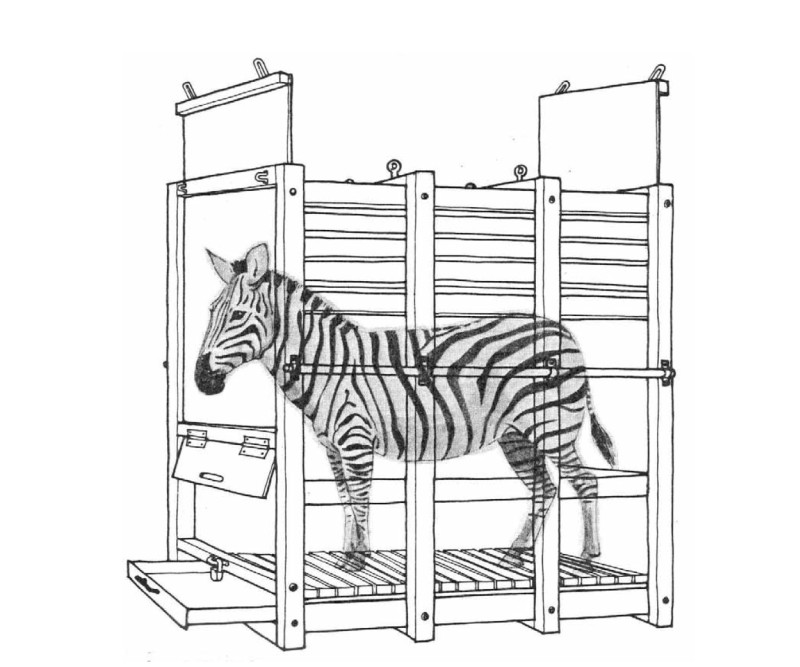
Guidelines for transport and preparation for shipment of live wild animals and plants (1981)
It seems to me that there is only one type of theatrical practice possible for me, that is to say, the public performance.
Steve Paxton (1988)
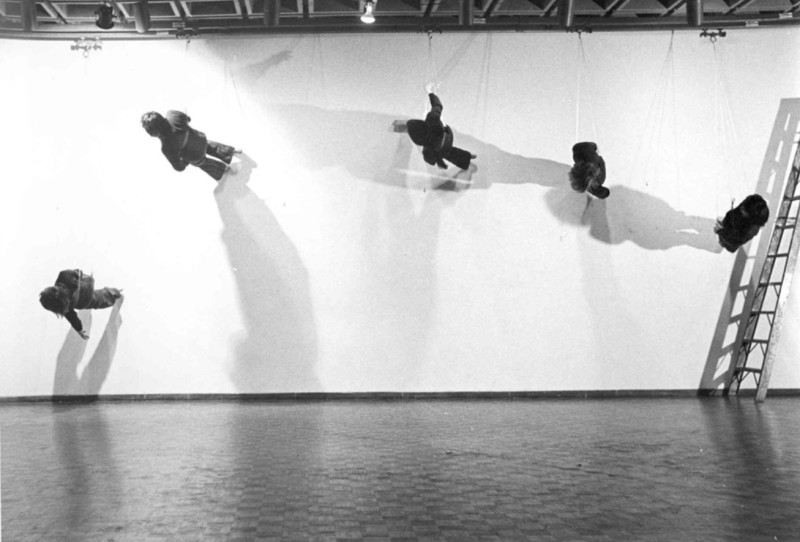
Pure movement is movement that has no other connotations.

In 2014 my friend James Bridle wrote an important essay called All Cameras Are Police Cameras. http://shorttermmemoryloss.com/nor/2014/11/07/all-cameras-are-police-cameras/ Ten years later, this is still urgent.
This episode of the Thorne podcast by the Rose Choreographic School is a conversation between the three members of the curatorial and research initiative Counter Encounters, Laura Huertas Millán, Onyeka Igwe, and Rachael Rakes. Together they engage forms of anti and alter ethnographies in cinema and contemporary art.
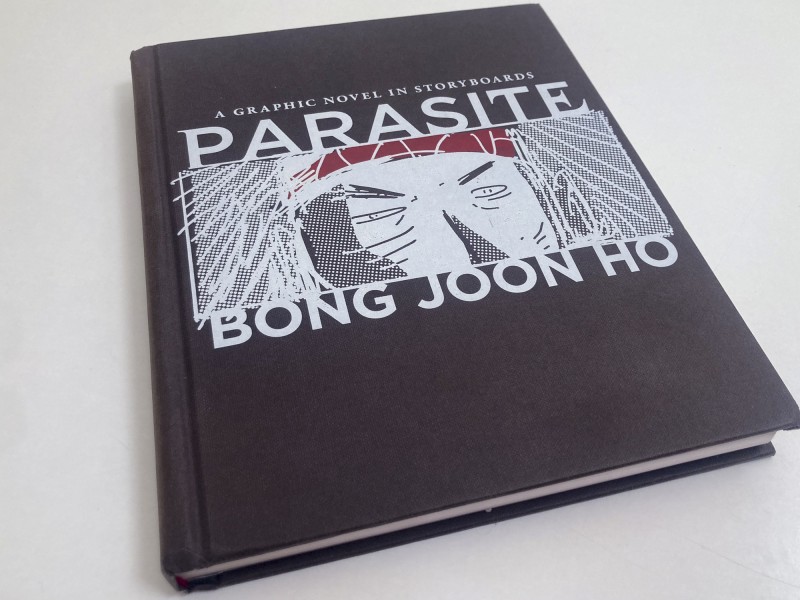
Bong Joon Ho storyboards for Parasite
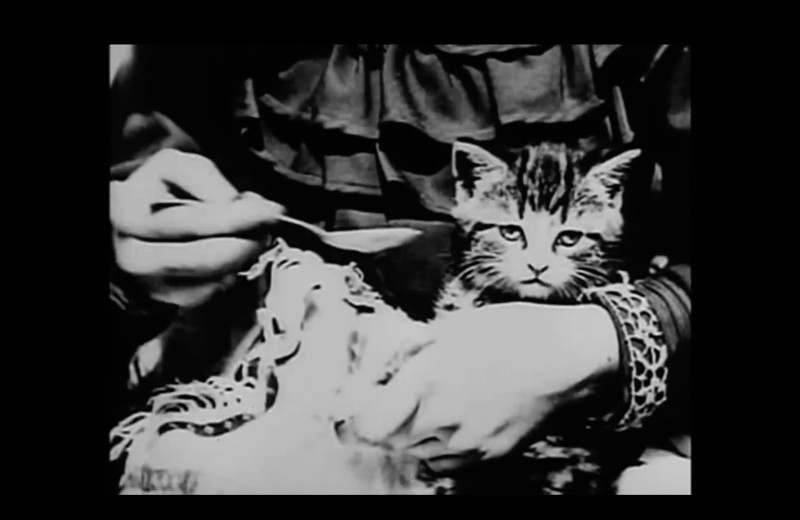
Before cats invented the internet, they invented the close-up. A brief history of camera movements.
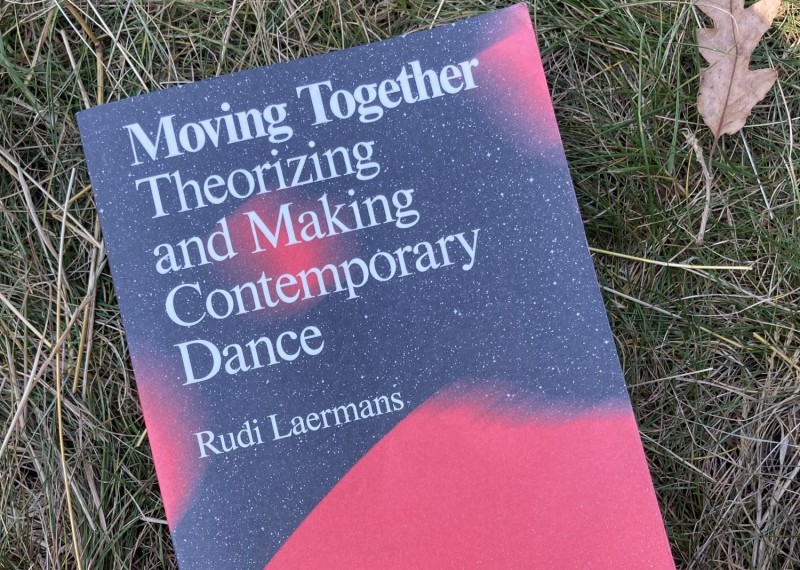
Sociologist and dance critic Rudi Laermans clarifies the multiple stakes of contemporary dance through a combination of dance studies and sociology. Detailed analyses of seminal dance works by Anne Teresa De Keersmaeker, Meg Stuart and many others inspire the book’s first, theoretically-oriented part. The second part of the book focuses on artistic collaboration and co-creation, based on extensive dialogues with choreographers from the thriving Brussels dance scene.
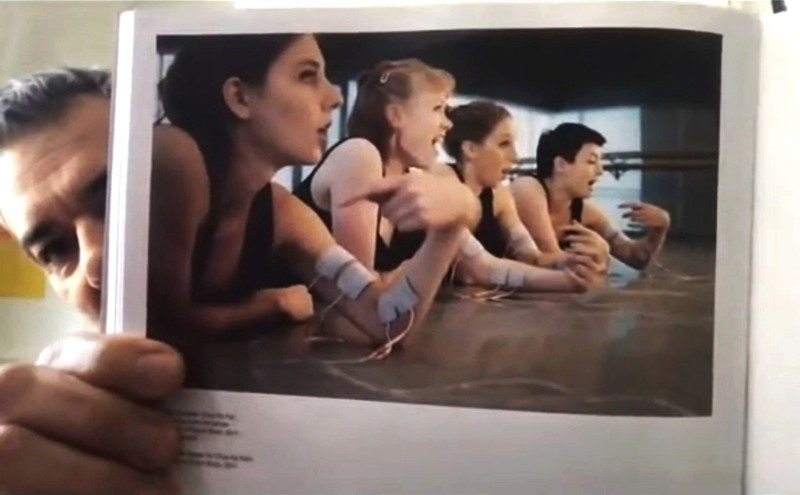
In one of the first scholarly books in English dedicated to recent European contemporary dance, Lepecki examines the work of key contemporary choreographers who have transformed the dance scene since the early 1990s in Europe and the US. Through their vivid and explicit dialogue with performance art, visual arts and critical theory from the past thirty years, this new generation of choreographers challenge our understanding of dance by exhausting the concept of movement.